20 July 2026 · New Delhi
THEUNBADGED
A dark day for India.
Map © OpenStreetMap contributors, stylized · dots illustrative, not headcounts · exhibit media from the citizen record, civilian faces blurred
First, look at who they sent
This page is named for them. Personnel without name badges, photographed before the protest began; plain-clothes crews carrying lathis. claimed
A name plate is a statutory duty: BNSS s.36(a) and the Supreme Court's D.K. Basu guidelines require visible name identification on officers carrying out detentions. When the names come off before a deployment, the responsibility climbs up the chain of command.
Sources: Newslaundry photo report TV9 Hindi BNSS s.36(a) D.K. Basu (SC, 1997)
Exhibit A · the missing name plates
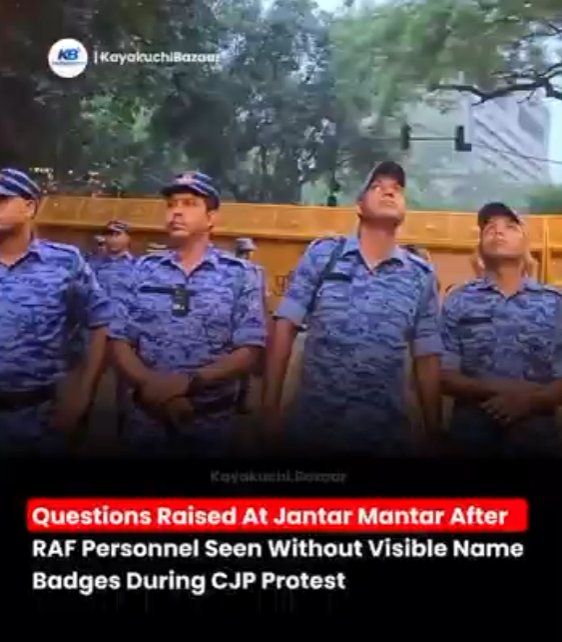
From the citizen record · original reel ↗
Jantar Mantar · day 24 of the sit-in
The story begins here. Students had held this ground for weeks with one demand: the Education Minister's resignation. Their exam, NEET-UG, had leaked. Again. Some aspirants did not survive it. On 18 July, police removed Sonam Wangchuk, twenty days into a hunger strike, and took him to hospital. corroborated
Sources: Daily Pioneer Al Jazeera full timeline
20 July, morning · what the march walked into
The plan was a peaceful march to Parliament. The answer was a fortress: permission denied, prohibitory orders, more than 5,000 police personnel, and the nearest metro stations locked shut: Rajiv Chowk, Janpath, Patel Chowk. corroborated
Sources: Outlook PTI / Deccan Chronicle
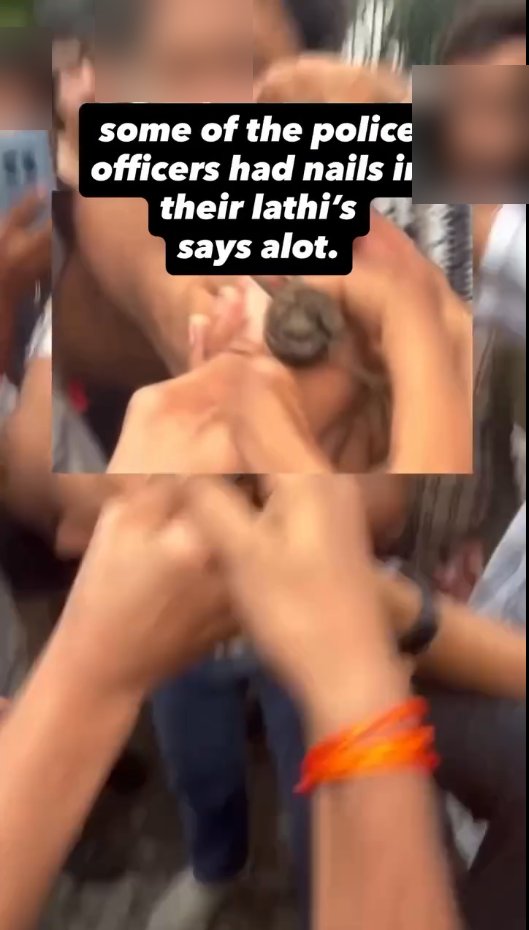
Exhibit B · what they brought to a students' march
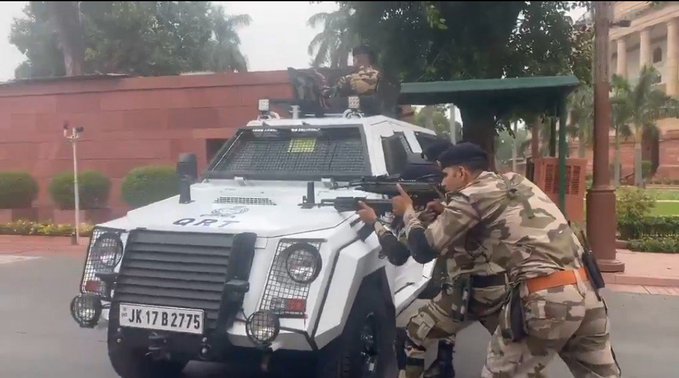
From the citizen record · original post ↗
Near the Park Hotel · 7:30 am
ThePrint's live blog logged the first lathis at 7:30 am; the clip is from the citizen record, location and exact time unverified · live blog ↗ original post ↗
Patel Chowk · 3:08 pm
Tear gas and repeated charges into the crowd here, through the afternoon. Protesters describe force that came without warning; police describe bottle-throwing. corroborated
Source: Deccan Chronicle
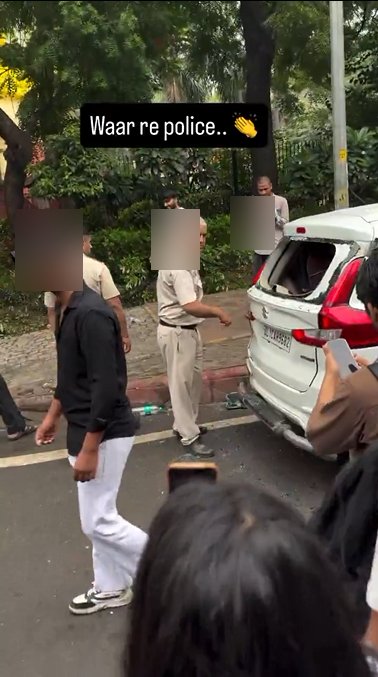
Exhibit C · what it looked like on the ground
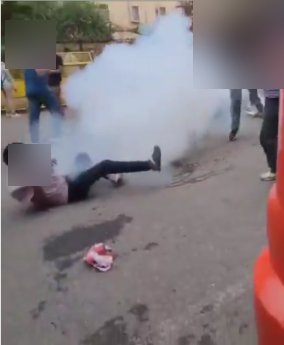
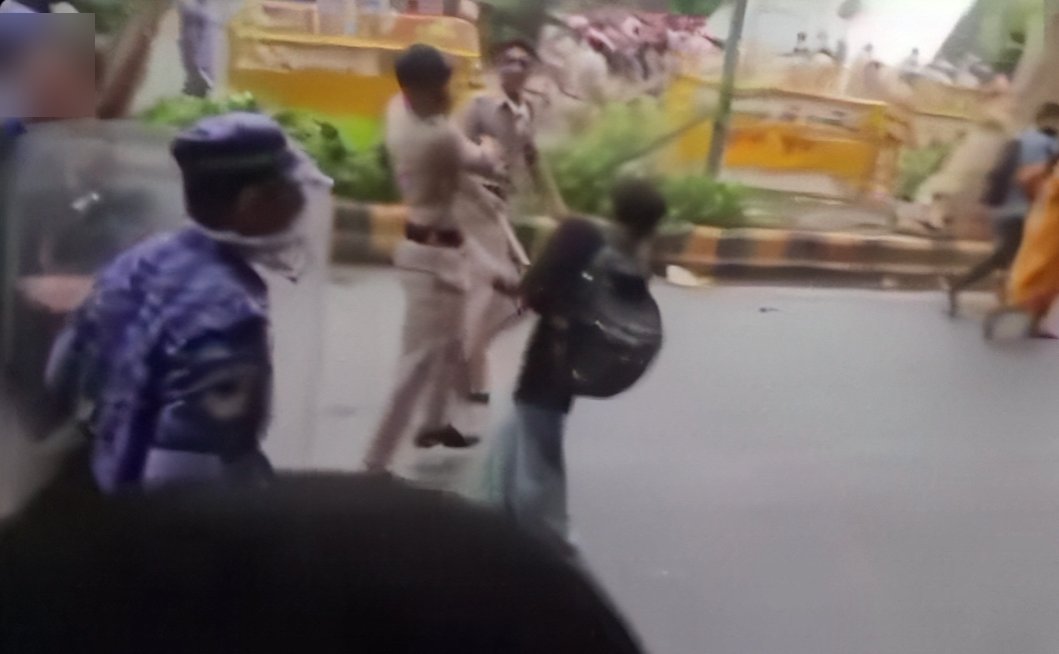
From the citizen record · civilian faces blurred · the original post has since been removed from X; a copy is preserved in this archive · video ↗
Parliament Street Police Station
Between 70 and 100+ marchers spent the night in Parliament Street Police Station. Police said those held “were not students”; eyewitnesses watched students and minors being put into the buses. corroborated
Source: PTI / Deccan Chronicle
Sansad Marg · 10:04 am
The lathi-charge on this stretch, short of Parliament. Marchers describe a peaceful column, charged suddenly. Police describe stone-pelting and barricade breaches first. corroborated
Sources: Al Jazeera PTI / Deccan Chronicle
Exhibit D · the buses
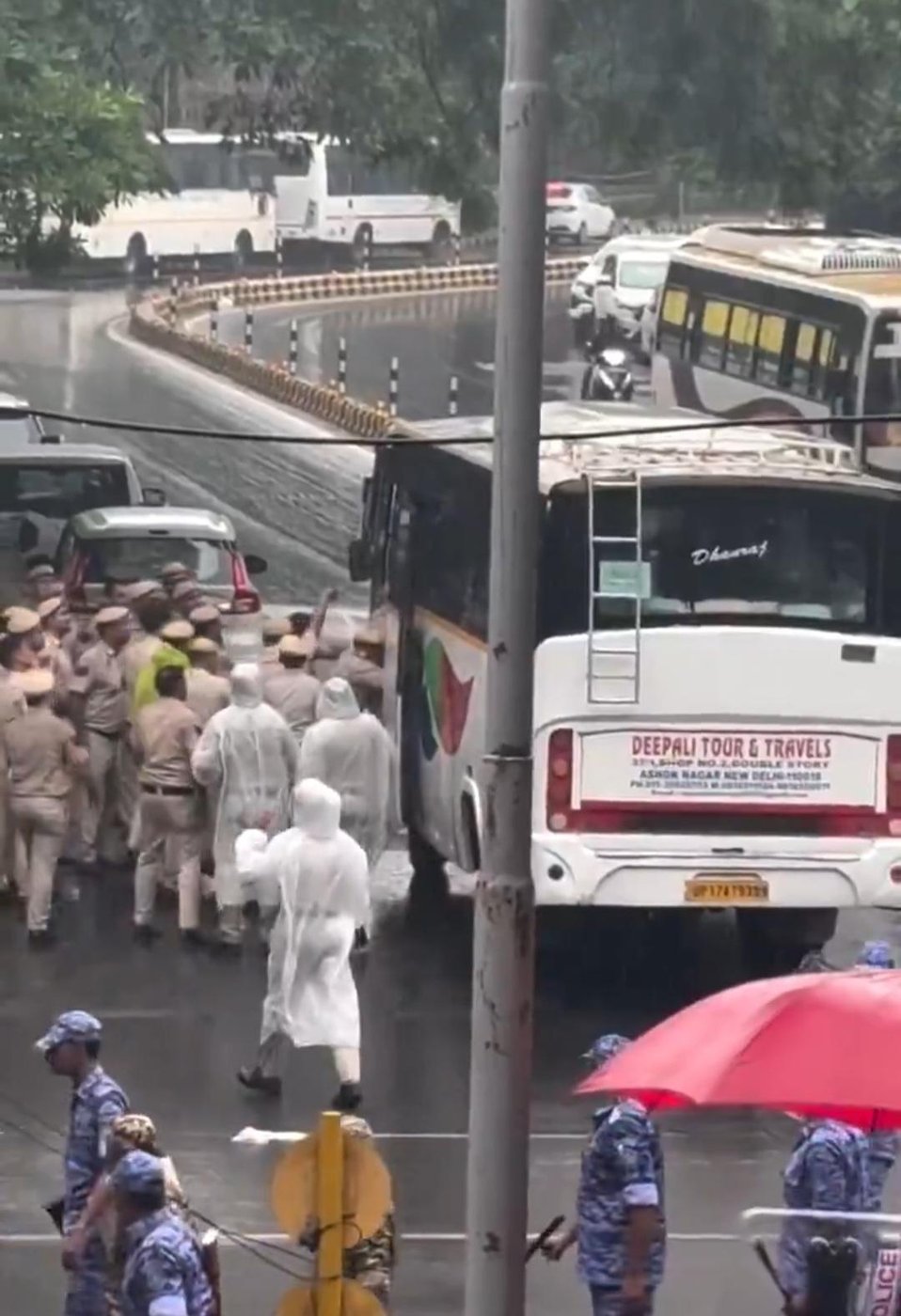
From the citizen record · the original post has since been removed from X; a copy is preserved in this archive
Parliament
One and a half kilometres from Jantar Mantar. Inside, the Monsoon Session was sitting; the Opposition raised the lathi-charge on the floor by early afternoon. Ruling-party MPs shouted the discussion down, and the Speaker adjourned the House. claimed
The march never reached this building.
Source: ThePrint live blog
By nightfall, the cost of a peaceful march
Sources: IANS timeline contradictions dossier
By evening · they cut the signal
Phones went dark. Mobile internet cut across central Delhi, reported radii of 1.5 to 5 km around the protest, under orders no one has ever published. The law since Anuradha Bhasin (2020): suspension orders must be published and reviewed. corroborated
Inside the House, a Congress MP alleged signal jammers kept even Parliament from learning what was happening outside its gates. claimed A blackout does not erase footage. It only delays it.
Sources: IFF via The Wire SFLC.in PTI (MP Renuka Chowdhury) Anuradha Bhasin (SC, 2020)
The morning after · the court looked away
The next day, the Supreme Court refused to hear the students urgently and would not watch the footage: it did not have the time, the bench said. The Delhi High Court at least asked the Centre and the police to answer. corroborated
When the highest court will not look, the looking falls to everyone who kept a copy.
Sources: LiveLaw The Quint The Pioneer
The record
Students were protesting for their future, peacefully. What met them was a response that arrived with its name plates already removed. Names come off on an order, and an order is a decision taken higher up. This record is kept so that decision can be answered for.
On 25 July, five days after the march, the Education Minister resigned. corroborated The exam has an answer. The order that removed the name plates does not, so this record stays open.
Were you on this road that day?
No account. No name. No IP logs. Verify the code yourself.